





The History of Lingerie #Part 4: The SHIRT
The shirt has become a fundamental part of formal wear and, more recently, even more casual men's clothing, but its origins are quite humble.
It appeared in the Middle Ages as an undergarment, the first in contact with the skin, which is why the white shirt was considered a sign of distinction: it indicated a social status and economic well-being that allowed one to wear clean linen every day, a habit imposed by the modest hygienic conditions of the time.
In fact, putting on a clean shirt was an alternative to poor daily hygiene.
Shirts were therefore a precious commodity,
an important gift and part of the bridal trousseau.

*John Lennon sporting a shirt with the typical collar of the late sixties.
Since the shirt originated as a piece of underwear, maximum attention was paid to the collar, which was the visible part, and its accessories, i.e., the tie.
Since the 1600s, the shirt collar came in a wide range of versions,
from the flat French collar to the ruff used at Italian courts.
In 1913, it was relaunched by the Cluett-Peabody & Co. company, which commissioned the famous advertising designer J.C. Leyendecker to promote The Arrow Collar Man, shirts with special detachable collars.
By the 1920s, the sample range included over 400 types of collars.
The stiff, detachable, washable, and starched collar went out of fashion.
Throughout the twentieth century, the various collar styles were subject to changes in lifestyle and fashion: French collar, rounded collar, straight-pointed collar, tab collar, and button-down.

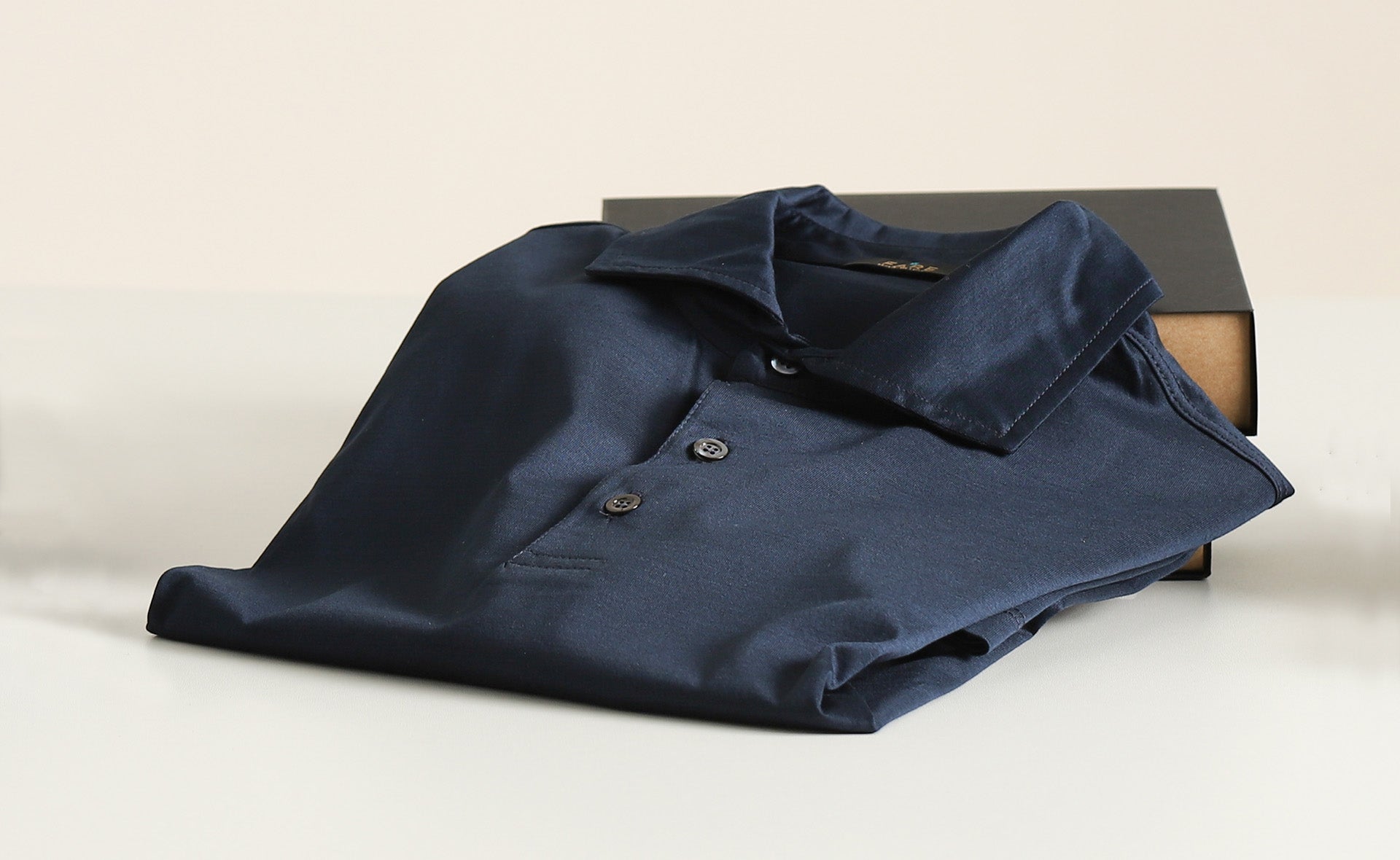
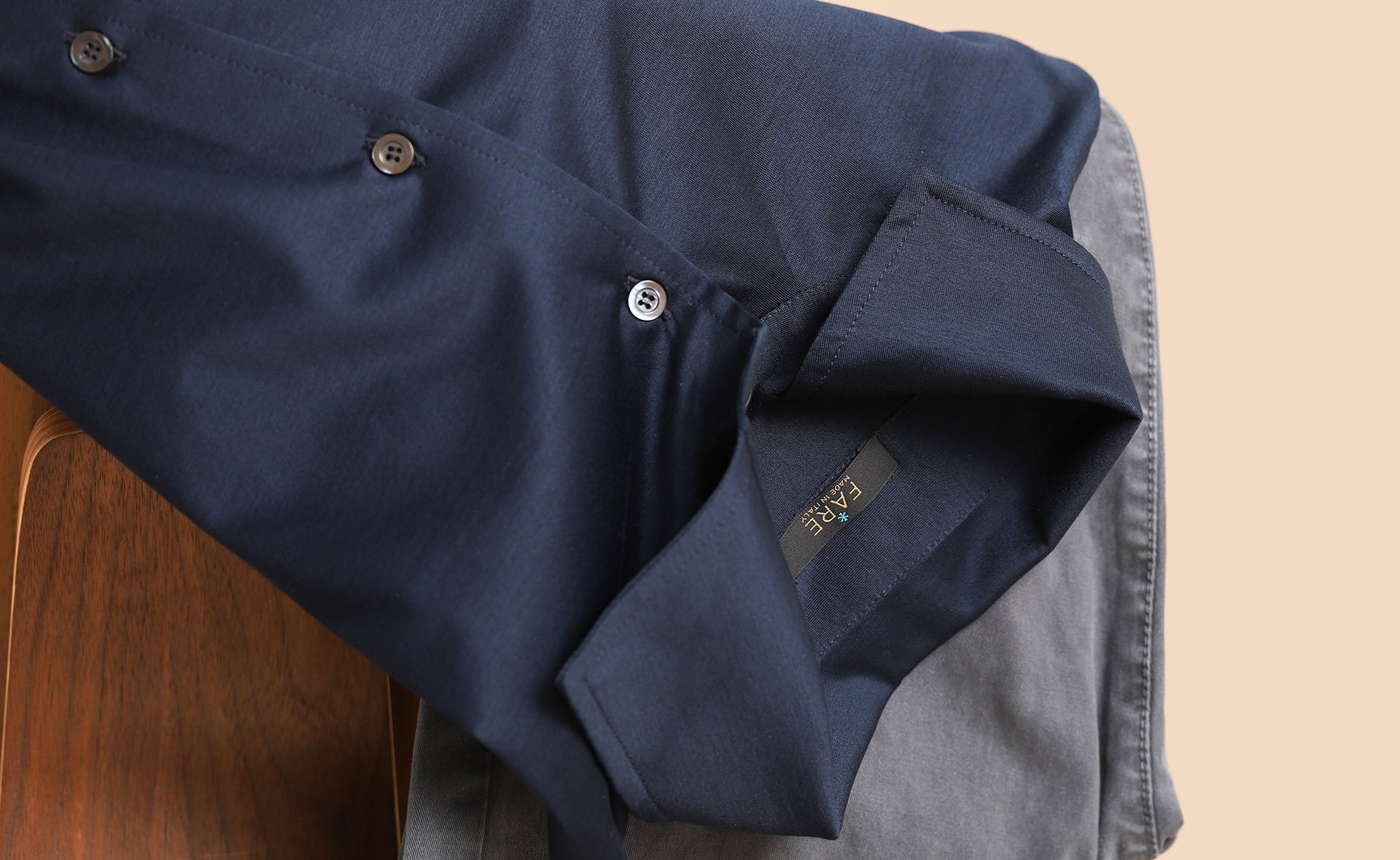
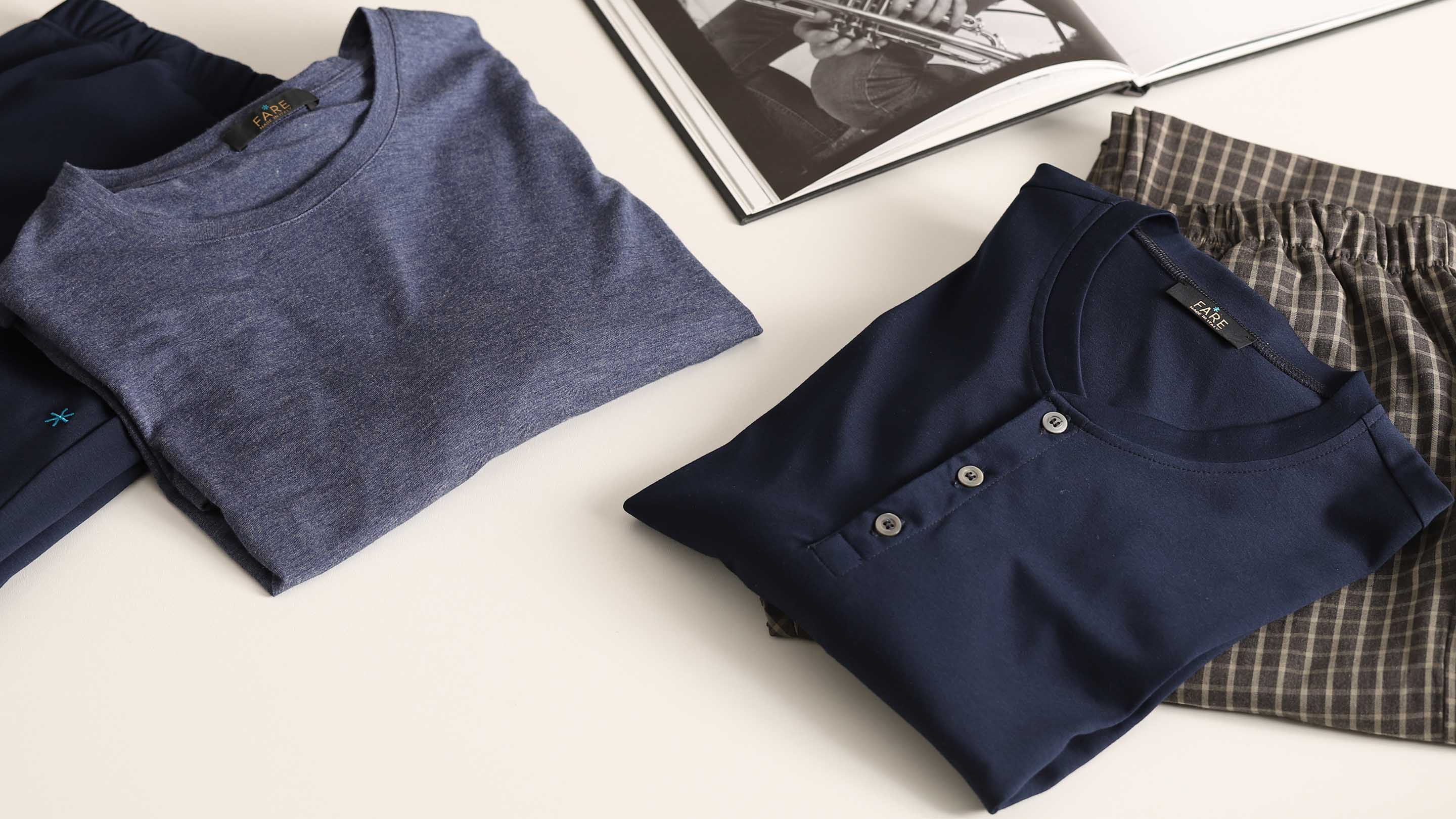
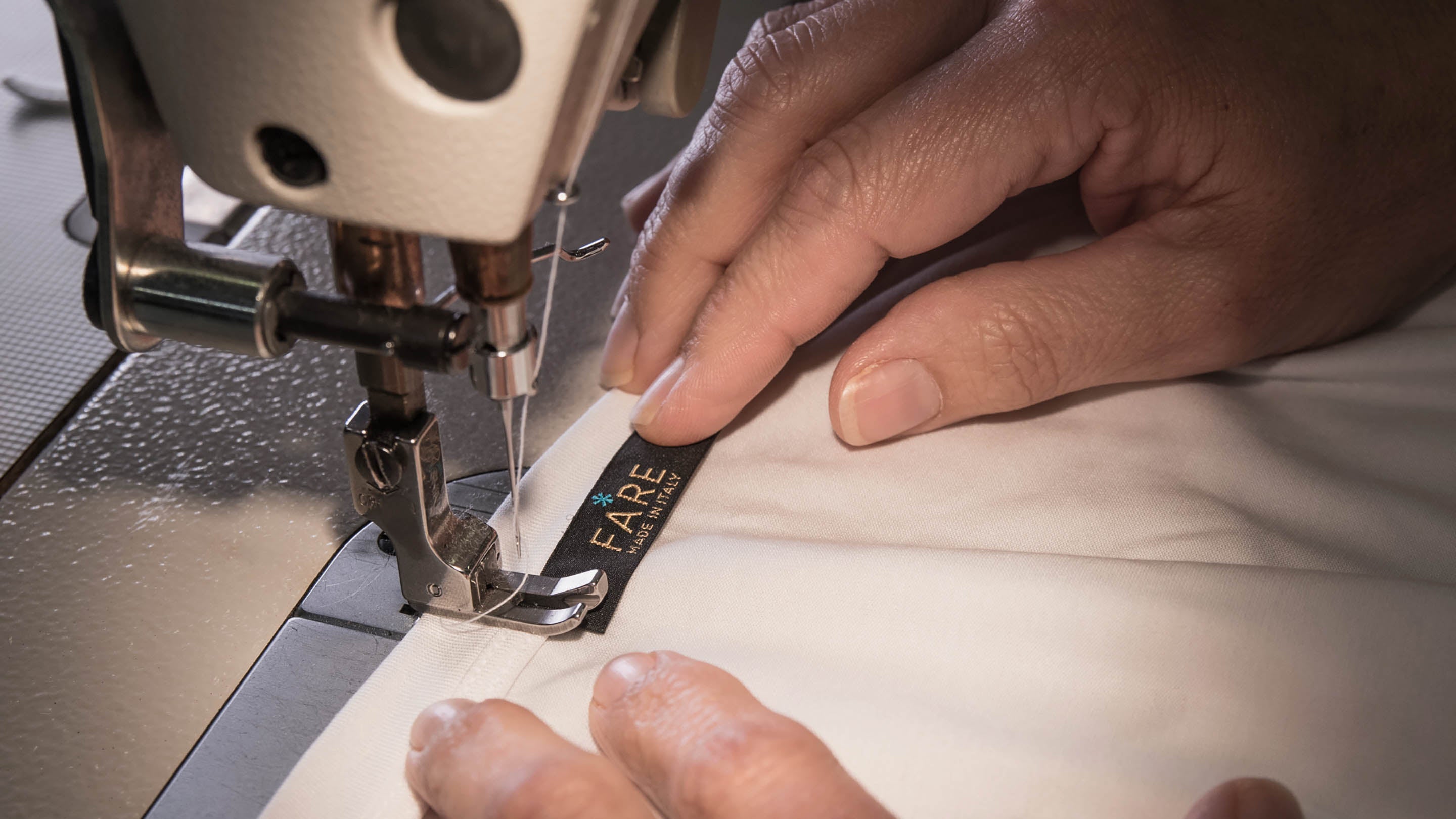
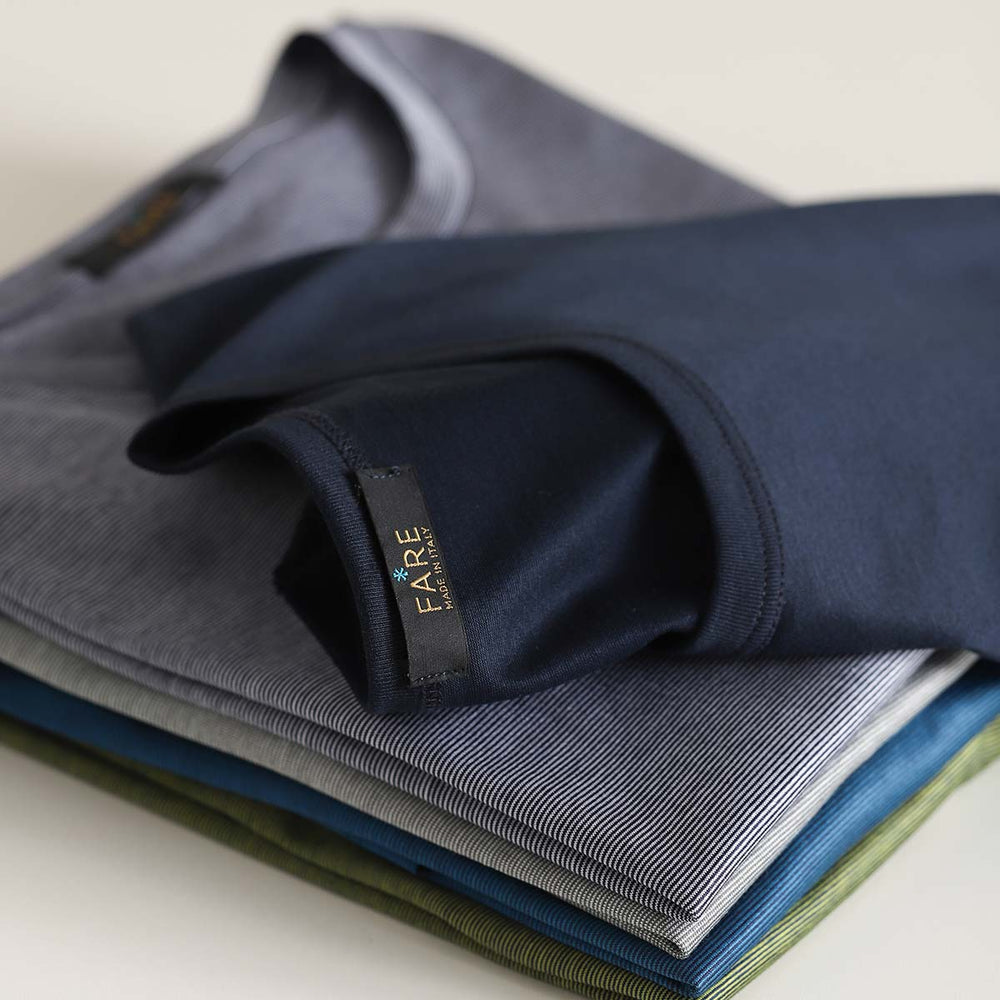
*The Faretessile shirt is made of Filoscozia® cotton jersey discover >
What has remained unchanged over time is the central role of the shirt in the male wardrobe.
Leave a comment